Monday, 20 March 2023

Preparing a new garden plot: A guide to starting your garden right


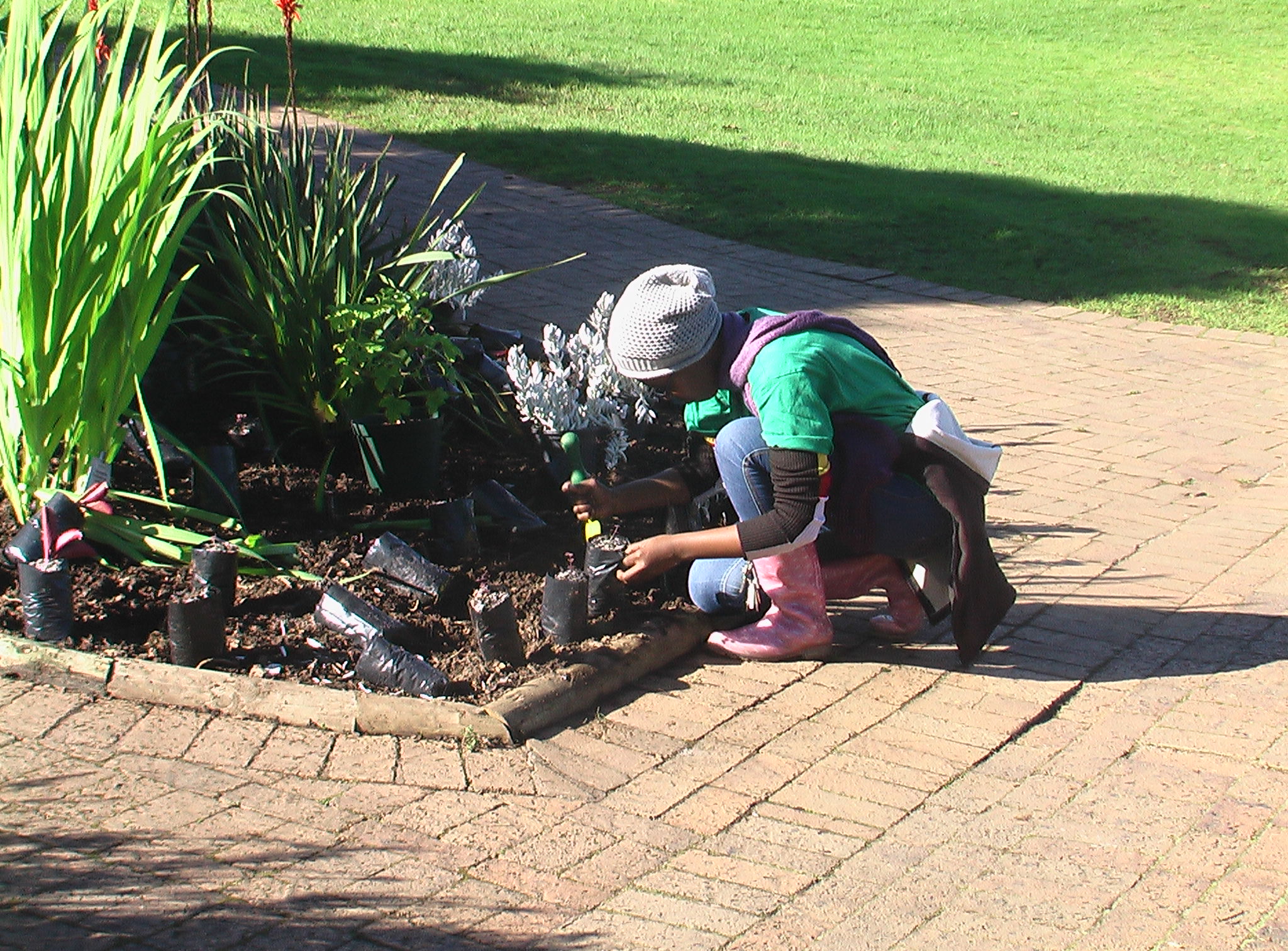
Gardening is a wonderful hobby that not only beautifies your surroundings but also provides you with fresh produce and a sense of fulfillment. However, before you can start planting, you need to prepare the garden plot. Preparing a new garden plot is essential to ensure that your plants grow healthy and strong. Preparing a new garden is the same as preparing a room in the house, it combines the practicalities with aesthetics. In this article, we will provide you with a step-by-step guide on how to prepare a new garden plot.

Step 1: Choose the right location
The first step in preparing a new garden plot is to choose the right location. Ideally, the location should be in a spot that receives at least 6-8 hours of sunlight per day. It should also have good drainage and be protected from intense winds. If possible, choose a location that is close to a water source.

Step 2: Remove the grass and weeds
Once you have chosen the location for your garden, the next step is to remove any grass and weeds growing in the area. You can do this by using a sod cutter or a shovel to remove the top layer of grass and soil. Remove as many roots as possible to prevent grass and weeds from growing back. Time spent preparing the garden is not wasted, it is reducing maintenance costs during the growing season.

Step 3: Test the soil
After removing the grass and weeds, you must test the soil to determine its pH level and nutrient content. You can purchase a soil testing kit from your local garden centre or have your soil tested by a professional. Knowing the pH level and nutrient content of your soil will help you determine what amendments are necessary to create the optimal growing conditions for your plants.

Step 4: Amend the soil
Once you know the pH level and nutrient content of your soil, the next step is to amend the soil. Depending on the results of your soil test, you may need to add fertilizer, compost, or other organic matter to improve the soil's quality. Be sure to mix the amendments thoroughly into the soil to ensure that they are evenly distributed.

Step 5: Create garden beds
After amending the soil, it is time to create garden beds. Garden beds help to organize your plants and make it easier to weed and water your garden. You can create garden beds by using raised beds, mounded beds, or simply by using rows. Be sure to leave enough space between the garden beds to allow for easy access.

Step 6: Choose your plants
Until the garden is planted it remains incomplete. The plants you choose and how you group them will depend on many factors. Planting can be used to achieve a specific purpose, to provide food for birds and butterflies, for screening, or to add value to the property. Choose plants adapted to your environmental conditions. Consider the size of plants you are choosing for your garden.

Step 7: Mulch the garden beds
Once the garden beds are created, the last step is to mulch the garden beds. Mulch helps to retain moisture in the soil, prevent weed growth, and regulate soil temperature. You can use organic mulch, such as shredded leaves or straw. Be sure to spread the mulch evenly over the garden beds to a depth of 5-7 centimetre.

In conclusion, preparing a new garden plot is a crucial step in creating a thriving garden. By following these seven steps, you can ensure that your garden has the optimal growing conditions and is set up for success. With a little effort and patience, you will be on your way to enjoying a rich harvest in no time. Happy gardening!

Sunday, 19 March 2023

March Plant Sale @UWC


 Come shop at our nursery we have a range of succulents and indigenous plants. 

Monday, 13 March 2023

What to do in your garden in Autumn

Autumn is a great time to start planning and preparing your garden for the cooler winter months ahead.  Here are some tips to help you plan and act for your indigenous garden in the Western Cape this autumn:

  1. Plant cool-season vegetables: Autumn is a great time to plant cool-season vegetables such as broccoli, carrots, cauliflower, lettuce, spinach, and swiss chard. These plants will thrive in cooler temperatures and shorter days.
  2. Plant winter flowers: The Western Cape is known for its beautiful winter-flowering plants such as proteas, ericas, and restios. Consider planting these indigenous species to add colour and vibrancy to your garden during the colder months.
  3. Prune and tidy up: Autumn is a good time to prune and tidy up your garden. Remove any dead or diseased branches from trees and shrubs, and cut back any overgrown plants. This will help to promote healthy growth and reduce the risk of disease and pests.
  4. Mulch and add compost: Adding compost and mulch to your garden beds will help to improve soil fertility and moisture retention, which will benefit your plants during the winter months.
  5. Consider water conservation: The Western Cape is a water-scarce region, and it's important to design your garden with water conservation in mind. Consider using a rainwater harvesting system to irrigate your garden and choose plants that require less water.
  6. Create habitat for wildlife: Indigenous plants are an important food source for a variety of insects, birds, and other wildlife. Incorporating plants that attract pollinators and other beneficial insects can help create a balanced ecosystem in your garden.
  7. Lift and divide summer-flowering perennials such as Agapanthus, Dietes, and Arums to ensure prolific flowering in Spring. Cut their foliage back by one-third.
  8. Pull weeds up regularly before they go to seed.
  9. Change the settings on your irrigation system to suit the temperature and rainfall for autumn.
  10. Add colour to your autumn garden by planting Aloes, Euryops virgineus, Hypoestes aristata, Kniphofia praecox, Metalasia muricata, Osteospermum moniliferum, and Polygala myrtifolia.

Overall, these tips will help you prepare your indigenous garden in the Western Cape for the cooler months. Keep in mind the importance of water conservation and creating a balanced ecosystem for wildlife, and your garden will thrive.


Monday, 6 March 2023

Rumohra adiantiformis


Common name: seven weeks fern/leather leaf fern
Family: Dryopteridaceae
Origin: South Africa

Tuesday, 21 February 2023

Lachenalia bulbifera

by Admin | February 20, 2023, | Plant of the month | 0 comments
 

Introduction
Lachenalia bulbifera is a bulbous plant species that belongs to the Hyacinthaceae family and is native to the southwestern Cape Province of South Africa. This species has attracted attention due to its attractive flowers and is widely used as an ornamental plant in gardens and homes. In this article, we will review the current knowledge on the taxonomic, ecological, and cultural aspects of Lachenalia bulbifera.

Taxonomy

Lachenalia is a genus of around 120 species that are distributed throughout South Africa, with the highest diversity in the Western Cape region. The genus belongs to the family Asparagaceae, subfamily Scilloideae, and tribe Hyacintheae. The species Lachenalia bulbifera was first described by the Dutch botanist Jan Frederik Gronovius in 1760. Since then, various authors have suggested the segregation of Lachenalia into several genera based on morphological and molecular data. However, the taxonomy of the genus Lachenalia remains controversial and requires further investigation.

Ecology

Lachenalia bulbifera is a winter-growing species that is adapted to the Mediterranean climate of its native range. The plant grows in well-draining, sandy or loamy soils, and requires a moderate amount of water during the growing season. In its natural habitat, Lachenalia bulbifera is often found in rocky outcrops and fynbos vegetation. The plant is pollinated by bees and other insects, and the seeds are dispersed by wind.

Cultural aspects

Lachenalia bulbifera has a long history of cultivation as an ornamental plant. The species is widely grown in gardens and as a potted plant and is prized for its delicate flowers that bloom in shades of blue, purple, and white. Lachenalia bulbifera is also a popular cut flower due to its long-lasting blooms and attractive appearance. However, over-harvesting of the plant for the floral industry has led to a decline in natural populations in some regions. Thus, conservation efforts are required to preserve the genetic diversity of the species.

In conclusion, Lachenalia bulbifera is an ornamental plant species that is valued for its attractive flowers and ease of cultivation. The taxonomy of the genus Lachenalia requires further investigation, and conservation efforts are required to preserve the natural populations of the species. Further studies are also needed to understand the ecological and cultural significance of Lachenalia bulbifera in its native range.

References
  • Manning, J.C., Boatwright, J.S., Daru, B.H., Maurin, O., van der Bank, M. (2014). A molecular phylogeny and generic classification of Asparagaceae subfamily Scilloideae: Evidence from 26S rDNA and ITS sequence data. Taxon, 63(4), 811-829.
  • Goldblatt, P. (1986). The genus Lachenalia. Annals of Kirstenbosch Botanic Garden, 14, 1-112.
  • Du Plessis, N.M. (1995). Lachenalia: A guide for growers. National Botanical Institute, Pretoria, South Africa.
  • Manning, J.C. (2007). Lachenalia bulbifera. In: IUCN 2021. IUCN Red List of Threatened Species. Version 2021.1. Available at: www.iucnredlist.org. (Accessed: 18 February 2023

Monday, 6 February 2023

Invitation


 Please join us for a half day plant sale from 12h00 to 15h00 on Monday, 13 February 2023.